About Somer Welch, LCSW | Online Therapist in Texas & North Carolina
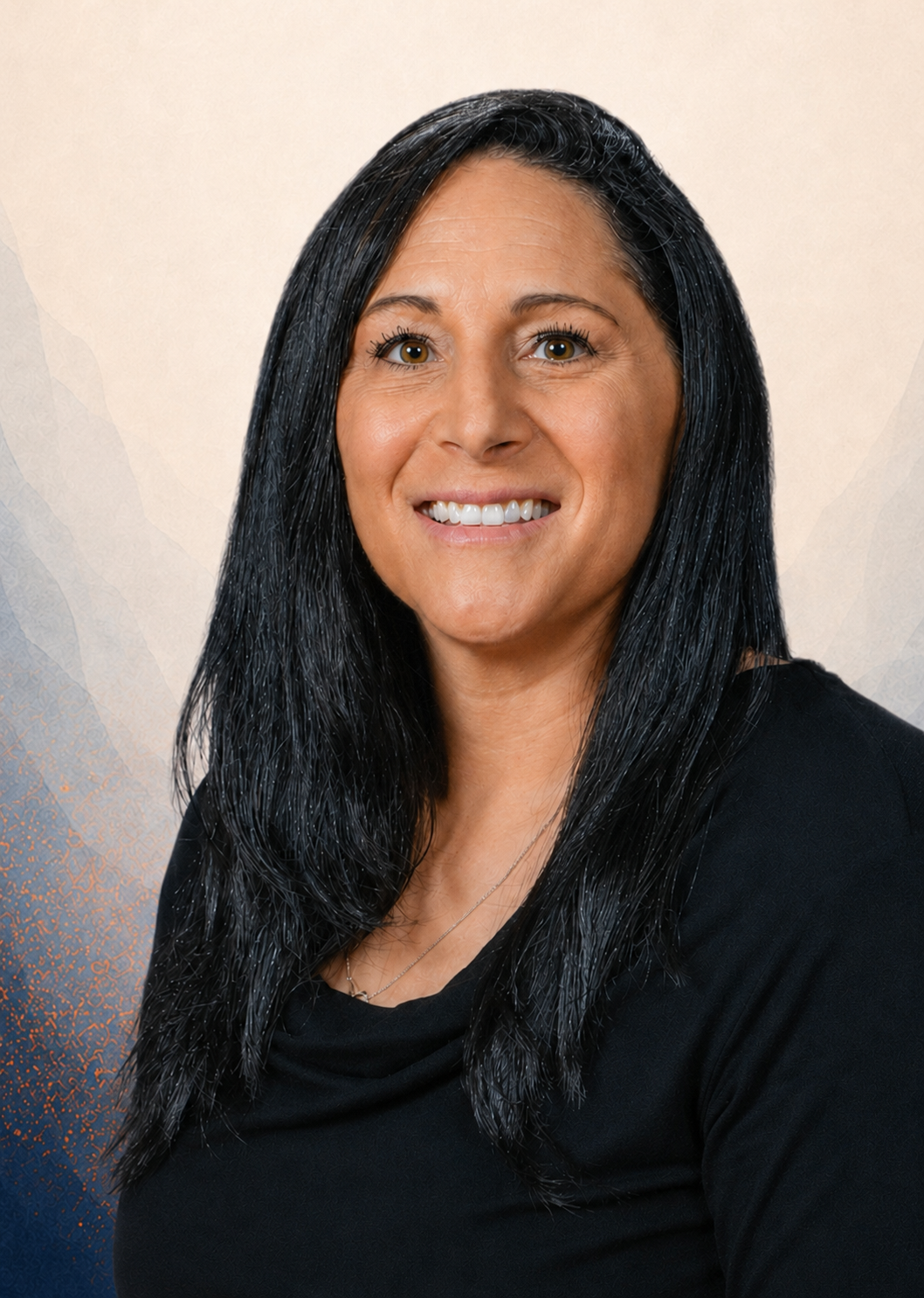
Somer Welch
MPSA, MSW, LCSW
Founder, CEO & Clinical Director
You can understand exactly why you do something and still find yourself doing it.
That gap between “I know this” and “I still do it anyway” is where a lot of my work happens.
I’m Somer Welch, MPSA, MSW, LCSW, founder of Resurgence Therapy PLLC. I provide online therapy for adults in Texas and North Carolina, with a particular focus on high-achieving professionals and leaders who are used to being the person who anticipates problems, carries responsibility, figures things out, and keeps everything moving.
Those abilities may have served you very well.
They may also be exhausting you.

You Probably Don’t Need Someone to Tell You to “Just Set Boundaries”

Many of the people I work with already know a lot about themselves.
You may know you take on too much. You know you overthink. You know you should let someone else handle it. You know that another person being disappointed with you does not automatically mean you did something wrong.
And yet, when the actual moment arrives, knowing that and doing something different can feel like two entirely different things.
Maybe you step in because you know you can fix it. You replay conversations because there might be something you missed. You prepare for every possible outcome because being caught off guard feels worse. You hold a boundary until someone reacts badly, then immediately start wondering whether you were unreasonable.
From the outside, this can look like competence, dedication, leadership, or being the person everyone can count on.
Sometimes it is.
Sometimes it is also costing you sleep, energy, relationships, peace of mind, and the ability to ever really be off duty.
I Want to Understand Why It Makes Sense Before We Try to Change It
I didn’t build Resurgence because I wanted to create another place where people could talk about their problems indefinitely.
I built it around a belief I’ve developed through both my clinical work and my own life: people usually have a reason for becoming who they needed to become.
Understanding that reason matters.
But understanding alone isn’t the finish line.
In therapy, I’m interested in what a pattern does for you. Where did it become useful? What does your brain predict will happen if you don’t do it? What is that pattern protecting you from? And what is it costing you now?
That means we can take what happened to you seriously without treating you as fragile. We can understand why your responses make sense without assuming they need to control what happens next.
The goal is not to turn you into a different person.
It is to give you more choice.

What Therapy With Me Is Actually Like
I’m direct, active, curious, practical, and occasionally irreverent.
I am not a therapist who plans to spend every session nodding while asking, “And how does that make you feel?”
Feelings matter. So does figuring out what the hell keeps happening.
I ask questions. I notice patterns. I may point out contradictions. I’ll challenge you when I think doing so will be useful, and I expect you to challenge me too.
You do not have to perform therapy correctly with me.
You can disagree with me. Tell me I’m wrong. Laugh. Swear. Show up frustrated. Tell me you didn’t do the thing we talked about last week. We can work with what is actually happening rather than pretending therapy occurs under perfect laboratory conditions.
I want you to feel understood without feeling handled.
I’m willing to go into difficult places with you, ask an uncomfortable question when it matters, and trust that you are capable of doing difficult work.
Evidence-Based Therapy Without the Therapy-Speak
My clinical work is trauma-informed and evidence-based, but I don’t expect you to become fluent in psychological acronyms to benefit from therapy.
Depending on what we are treating and what you need, my work may draw from Cognitive Processing Therapy (CPT), Prolonged Exposure (PE), Written Exposure Therapy (WET), Cognitive Behavioral Therapy (CBT), Motivational Interviewing, and other evidence-based approaches.
The method matters, but so does the person sitting in front of me.
I’m interested in using approaches that have evidence behind them while still making room for complexity, humor, skepticism, personality, and real life.
Because ultimately, the important question is not whether something sounded insightful during our session.
It’s whether it becomes useful when life happens again.
Experience That Goes Beyond Private Practice
I have worked in the mental health and social work field since 2015. My professional experience includes work with the Department of Veterans Affairs and Department of Defense, residential substance-use recovery, programs serving people experiencing homelessness, outpatient mental health, caregiver support, clinical supervision, and private and group practice.
I am a Licensed Clinical Social Worker in Texas and North Carolina and hold both a Master of Social Work and a Master of Public Service and Administration.

Specialized Clinical Training
My specialized training includes:
• Cognitive Processing Therapy (CPT)
• Prolonged Exposure (PE)
• Cognitive Behavioral Conjoint Therapy for PTSD (CBCT)
• Written Exposure Therapy (WET)
• Motivational Interviewing
• Cognitive Behavioral Therapy for Depression
• Cognitive Behavioral Therapy for Insomnia
• Cognitive Behavioral Therapy for Suicide Prevention
• Cognitive Behavioral Therapy for Substance Use Disorders
• Social Skills Training
Credentials & Professional Qualifications
I have worked in the mental health and social work field since 2015, with professional experience spanning federal healthcare, military-connected populations, community mental health, substance-use treatment, housing services, caregiver support, clinical supervision, and private practice.
Education & Licensure
• Master of Public Service and Administration (MPSA)
• Master of Social Work (MSW)
• Licensed Clinical Social Worker (LCSW), Texas #115268
• Licensed Clinical Social Worker (LCSW), North Carolina #C0111105
Professional Experience
My professional background includes work with the Department of Veterans Affairs and Department of Defense, residential substance-use recovery, housing programs serving people experiencing homelessness, outpatient mental health, caregiver support, clinical supervision, and private and group practice.
Military Life Is Personal for Me, Too
I’m a military veteran and the spouse of a retired service member.
That doesn’t mean I assume my military experience is the same as yours. It does mean military culture, service, transition, caregiving, responsibility, and the strange realities that can come with military life are not concepts I understand only from a textbook.
Combined with my professional experience working with veterans, service members, caregivers, and military families, that background allows us to spend less time translating the culture and more time talking about what is actually happening.
You Don’t Have to Leave Your Beliefs at the Door
My Christian faith is personally important to me. If your faith is important to you and you want it incorporated into therapy, we can make it part of the work.
If you don’t, we won’t.
I don’t assume that clients share my beliefs, and I don’t believe therapy is a place for me to impose mine. Your values, worldview, and beliefs are yours. My job is to understand the role they play in your life and work within what matters to you.

And When I’m Not a Therapist...
I’m happiest around the ocean and am an avid scuba diver. Family is a huge part of my life, and I share that life with a pack of very large Great Danes who have absolutely no understanding of personal space.
Those things probably tell you something useful about me.
I value depth, curiosity, humor, meaningful relationships, and occasionally disappearing underwater where nobody can ask me to answer an email.
Therapy Should Eventually Work Without Your Therapist
I don’t believe the measure of successful therapy is how long I can keep someone in it.
I want what we do together to become useful when I’m no longer sitting across the screen from you.
That might mean noticing the old pattern before it completely takes over. Holding the boundary even when someone is unhappy about it. Allowing another capable adult to solve their own problem. Making a decision without mentally rehearsing every possible consequence first. Remembering that being able to carry something does not automatically make it yours to carry.
Not because you learned a new set of rules about how you’re supposed to live.
Because you have more options available to you.
If you’re ready to figure out why the patterns that helped you get this far are now getting in your way, we can start there.
Resurgence Therapy PLLC provides online therapy to adults physically located in Texas or North Carolina at the time of their appointment.