
EVIDENCE-BASED ONLINE THERAPY FOR ADULTS
Online therapists in Texas & North Carolina who actually join the conversation.
Resurgence Therapy provides online therapy for adults experiencing anxiety, PTSD, trauma, chronic stress, relationship patterns, caregiver burnout, major life transitions, and concerns connected to military life.
Somer’s clinical focus includes anxiety, PTSD, trauma, and high-pressure patterns. Tiffany’s focus includes life transitions, anxiety, uncertainty, and personal direction.
Both provide active, collaborative treatment with clear goals and practical direction. Silent, mysterious nodding has not been selected as a primary treatment approach.
CHOOSING AN ONLINE THERAPIST
The better fit starts with what is bringing you to therapy.
Somer and Tiffany share the same clinical baseline: individualized treatment plans, evidence-based care, clear goals, and regular attention to whether therapy is helping.
The meaningful difference is not personality, credentials, or who gives the more impressive thoughtful nod. It is the kind of clinical work each therapist most wants to do.
WHAT MAY BE HAPPENING
“The danger ended. The alarm system is still submitting regular reports.”
Anxiety, vigilance, avoidance, intrusive memories, disrupted sleep, guilt, overthinking, or the need to remain in control may continue shaping life long after the original threat has passed.
SOMER MAY BE A STRONG STARTING POINT
Somer focuses on anxiety, PTSD, trauma, and high-pressure patterns that interfere with functioning, relationships, rest, or the ability to enjoy life.
Her clinical work may incorporate Cognitive Processing Therapy, Cognitive Behavioral Therapy, Motivational Interviewing, and other trauma-focused approaches selected for the client’s needs.
TIFFANY’S RELATED CLINICAL WORK
Tiffany can address anxiety and difficult experiences when they appear alongside uncertainty, changing roles, difficult decisions, or questions about what comes next.
When PTSD or intensive trauma treatment is the primary reason for seeking therapy, Somer will usually be the more direct starting point.
THE PART THAT DOES NOT CHANGE

THE PEOPLE BEHIND THE CREDENTIALS
Meet Somer and Tiffany.
Both therapists bring warmth, clinical experience, evidence-based treatment, and a willingness to participate in the conversation.
The meaningful difference is what brings someone to therapy. Somer focuses on anxiety, PTSD, trauma, and high-pressure patterns. Tiffany focuses on life transitions, anxiety, uncertainty, and figuring out what comes next.
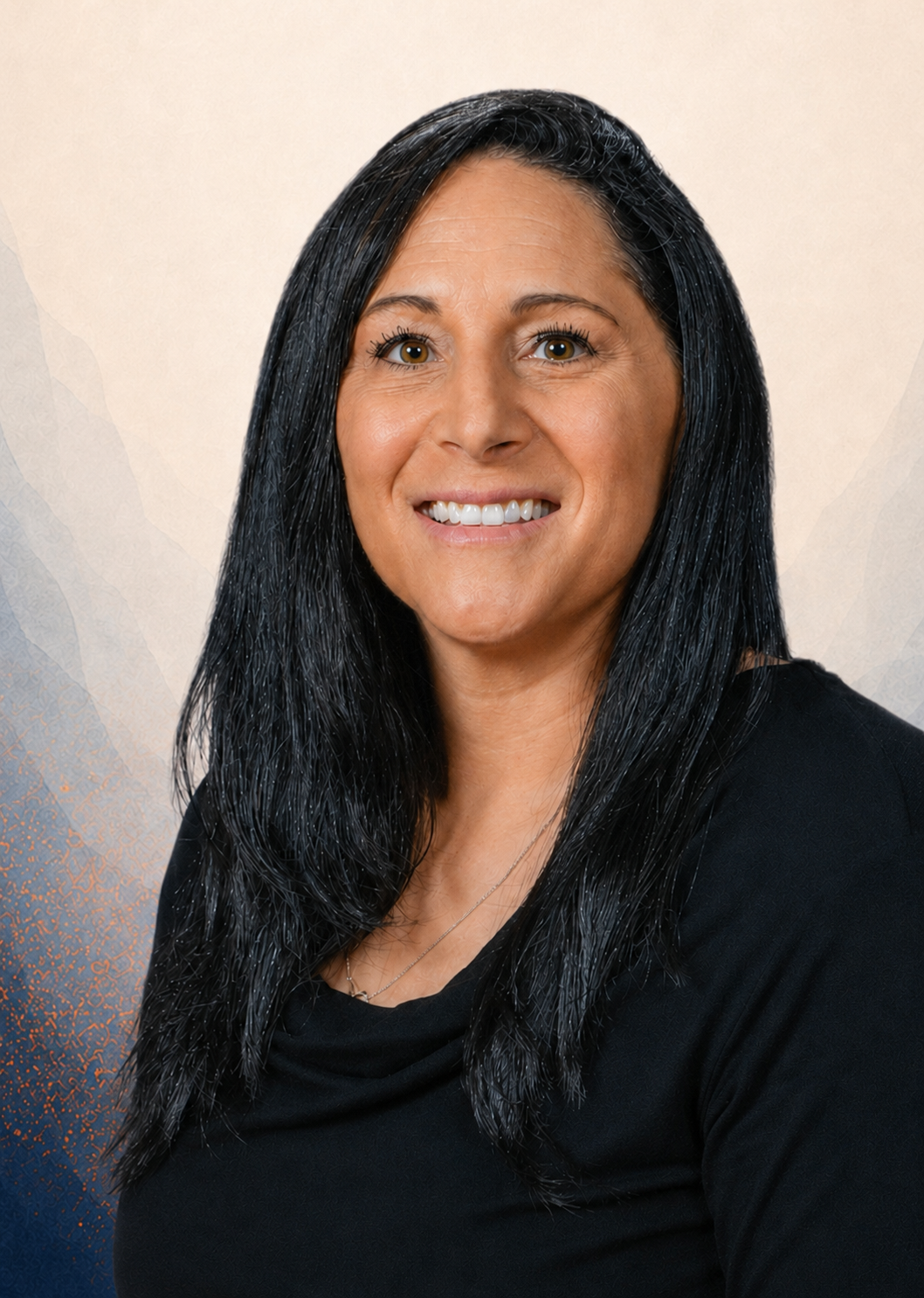
ANXIETY, PTSD, TRAUMA & HIGH-PRESSURE PATTERNS
Somer Welch
MPSA, MSW, LCSW
Founder, CEO, & Clinical Director
Somer works with adults whose anxiety, PTSD, trauma responses, or high-pressure patterns are interfering with how they function, connect, rest, or enjoy the life they have built.
Her work often involves identifying and changing the beliefs and responses behind overthinking, vigilance, avoidance, and feeling responsible for everything. Treatment may incorporate CPT, CBT, Motivational Interviewing, and other trauma-focused approaches.
COMMON AREAS OF FOCUS
- Anxiety
- PTSD and trauma recovery
- High-pressure patterns
- Overthinking and vigilance
- Responsibility and overfunctioning
- Capable adults carrying substantial demands
Usually happiest near the ocean, underwater with scuba equipment, or negotiating personal space with several Great Danes.

LIFE TRANSITIONS, ANXIETY & PERSONAL DIRECTION
Tiffany Price
MPSA, MSW, LCSW
Senior Clinician
Tiffany works with adults navigating life transitions, anxiety, uncertainty, or the growing sense that the life they built no longer fits. The concern may involve a career, relationship, family role, identity, or important decision.
She helps clients examine their thinking, work through uncertainty and ambivalence, clarify what matters, and make meaningful changes. Treatment frequently draws from CBT and Motivational Interviewing.
COMMON AREAS OF FOCUS
- Major life transitions
- Anxiety and uncertainty
- Feeling stuck or dissatisfied
- Decision-making and ambivalence
- Changing roles and relationships
- Personal direction and meaningful change
Often cheering on her cheerleader, watching college football, heading toward the water, or becoming deeply invested in a creative project.
BEFORE THE FIRST APPOINTMENT
The practical details, without the six-page scavenger hunt.
Online therapy comes with fewer parking problems. There are still a few things worth knowing before scheduling.
THE SHORT VERSION
Online care for adults located in Texas or North Carolina, with insurance and self-pay options available.
WHERE APPOINTMENTS HAPPEN
Online, from a private place in Texas or North Carolina.
Sessions take place through a secure telehealth platform. A reliable internet connection, a phone, tablet, or computer, and a private place to talk are generally all that is needed.
Clients must be physically located in a state where their therapist is licensed at the time of the appointment.
INSURANCE AND PAYMENT
Insurance and self-pay options are available.
Insurance participation depends on the therapist, the state where services are provided, and the client’s specific plan. Current options can be reviewed during the consultation before the first appointment is scheduled.
Coverage is determined by the insurance plan. Acceptance by the practice does not guarantee that a particular service will be covered.
SCHEDULING
Availability varies by therapist.
The consultation scheduler shows current options. During the consultation, we can discuss appointment times, insurance, treatment needs, and whether Somer or Tiffany may be the better fit.
When the fit feels right, the next step is scheduling the first therapy appointment.
LEVEL OF CARE
Resurgence provides routine outpatient psychotherapy.
This practice is designed for adults who can safely participate in scheduled online therapy. It is not an emergency, crisis, or intensive-treatment service.
People experiencing an immediate mental health emergency or needing a higher level of care should use local emergency or crisis services.
THE FIRST STEP
Start with a free 15-minute consultation.
Share what has been going on, ask the practical questions, and get help choosing a therapist. If the match feels right, the first appointment can be scheduled before the consultation ends.
Book a Free Consult
THE NEXT STEP
The therapist decision can be made with an actual therapist.
No need to study two biographies like there will be a quiz. Start with a free consultation. We’ll talk briefly about what brings you in, answer practical questions, and help determine which therapist fits best.
If everything feels right, we’ll schedule your first appointment before wrapping up.
Book a Free ConsultONLINE THERAPY FAQ
Answers before this becomes a whole thing.
Starting therapy already involves enough decisions. Here are the practical answers most people want before scheduling online therapy with Resurgence.
Book Your Free 15-Minute Consultation01 What happens during the free consultation?
The free 15-minute consultation is a brief conversation about what has been happening, what kind of support is being sought, and whether one of our therapists may be an appropriate fit.
We can also discuss therapist matching, location, availability, insurance or self-pay options, treatment needs, and the next appointment. When the match makes sense, the consultation is intended to move directly toward scheduling the first therapy session.
No perfectly organized explanation is required. “This keeps happening, and I would like it to stop running so much of my life” is enough to begin.
02 What if therapy has not helped in the past?
That is important clinical information, not evidence that therapy cannot help.
Sometimes the therapist was not the right fit. Sometimes treatment lacked direction. Sometimes insight increased but nothing changed outside the session. Sometimes therapy became an expensive weekly recap of problems everyone already knew existed.
We will want to understand what felt unhelpful, what was missing, and what needs to be different this time. Treatment at Resurgence uses individualized goals, evidence-based approaches, and regular attention to whether the plan is producing meaningful progress.
03 Do I need to know exactly what I want to work on?
No specific diagnosis, perfectly worded treatment goal, or chronological account of everything that has ever happened is required before beginning.
Sometimes the starting point is that something keeps repeating, life feels heavier than it should, or the current approach is costing too much. Part of the assessment process is identifying what deserves attention and what kind of treatment may make sense.
04 How do I choose between Somer and Tiffany?
Somer and Tiffany share the same clinical baseline: individualized treatment plans, evidence-based care, clear goals, practical application, and regular attention to whether therapy is helping.
The primary distinction is the kind of work bringing someone to therapy. Somer’s focus includes anxiety, PTSD, trauma, and high-pressure patterns that interfere with daily life. Tiffany’s focus includes life transitions, anxiety, uncertainty, feeling stuck, and decisions about what comes next.
Some concerns overlap, and neither clinician is limited to a single category. Location, availability, insurance, treatment needs, and personal fit also matter. A free consultation can help determine which clinician may be the stronger match.
05 Does Resurgence Therapy accept insurance?
Yes. Resurgence works with both insurance and self-pay clients.
Available insurance options may include plans such as Aetna, Blue Cross Blue Shield, Cigna, UnitedHealthcare, Optum, UMR, and Surest. Participation depends on the therapist, the state where services are provided, the specific plan, and current network status.
Acceptance of an insurance company does not guarantee that every plan or service will be covered. Behavioral-health benefits, deductibles, copayments, and network status should be confirmed before treatment begins.
06 Can I attend online therapy from anywhere?
Online therapy can happen from home, a private office, or another confidential location with a reliable internet connection.
However, the therapist must be licensed in the state where the client is physically located during the appointment. Resurgence currently serves eligible adults physically located in Texas or North Carolina.
Traveling matters. Living in Texas does not allow a Texas therapist to provide a session while the client is physically visiting a state where that therapist is not authorized to practice.
07 Is Resurgence only for executives or high-performing professionals?
No. Resurgence works with adults from many backgrounds who are experiencing trauma, PTSD, anxiety, chronic stress, emotional overwhelm, relationship difficulties, caregiver burnout, grief, and major life transitions.
Somer has a particular interest in working with high-performing adults, but “high-performing” does not refer only to executives, income, or professional status. It can include parents, caregivers, healthcare professionals, first responders, military members and veterans, attorneys, business owners, C-suite professionals, and people in demanding careers.
The common thread is often substantial responsibility, competing demands, anticipating problems, and being accustomed to the role of the dependable person. None of those qualities automatically indicates trauma or a mental-health diagnosis.
An impressive job title and color-coded calendar are not required.
08 When might Resurgence not be the right level of care?
Resurgence is a virtual outpatient therapy practice. It does not provide emergency services, crisis response, continuous monitoring, intensive outpatient treatment, inpatient treatment, or after-hours clinical coverage.
The practice may not be appropriate during an active suicidal crisis, when someone cannot remain safe between appointments, when symptoms require frequent monitoring, or when a higher level of psychiatric or substance-use care is needed.
If there is immediate danger or an urgent safety concern, contact emergency services or go to the nearest emergency department. A higher level of care is not a failure. It means the situation deserves more support than routine weekly outpatient therapy can safely provide.