
Online Therapy for Adults in Texas & North Carolina
You're good at handling things. The problem is your brain never seems to get the memo that you're done.
You think ahead. Notice problems before other people do. Take responsibility before anyone asks. Keep track of what needs to happen next.
Those skills may be part of why you're successful. They can also make it nearly impossible to ever feel off duty.
You may already know why you do this. But knowing hasn't stopped your brain from running through what could go wrong, checking one more time, worrying about how someone might react, or stepping in before you're actually needed.
At Resurgence Therapy, we help you understand what taught you to work this hard to stay ahead of things, figure out what is still useful, and change what happens when those old habits take over.
The goal isn't to make you care less. It's to give you more choice about what actually deserves your attention, responsibility, and energy.
You may already know why you do this.

You know you overthink.
You know you take on too much.
You know other adults are allowed to be disappointed.
You know the person you asked to handle something is perfectly capable of doing it without you checking three times.
You may even know where some of these habits came from.
And yet, when something feels uncertain or important, your brain still gets to work:
What could go wrong?
What am I missing?
What should I do now so this doesn't become a problem later?
What if I disappoint them?
What if I let this go and regret it?
Knowing why you do something doesn't always make it easier to stop doing it.
You can know you're taking on too much and still feel uncomfortable doing less.
You can know your boundary is reasonable and still want to change it when someone gets upset.
You can know something isn't your responsibility and still feel like you should step in before it goes wrong.
Therapy should help you do more than understand the pattern. It should help you change what happens when the pattern shows up.

When being responsible turns into being responsible for everything
You're probably the person people trust because you get things done.
At work, you're already thinking about the deadline someone else forgot.
At home, you're remembering the appointment that needs to be scheduled, the form that needs to be signed, the bill that needs to be paid, and what everyone needs tomorrow.
When something goes sideways in the family, there's a good chance you're getting the phone call.
You anticipate. Prepare. Fix. Remember. Follow up.
You can see the missed deadline before it's missed. The conflict brewing before anyone says anything. The three things that could derail a plan everyone else thinks is perfectly fine.
And once you notice something that could become a problem, it's hard to just...notice it.
Now you know about it.
And if you know about it, shouldn't you do something?
You delegate, but don't quite let go.
Someone else technically owns the task.
You're just remembering the deadline, checking the progress, thinking through what they might have missed, and keeping a backup plan ready in case you need to step in.
So, delegation. Sort of.
You know where the boundary belongs until someone dislikes it.
You were comfortable saying no.
Then they got quiet. Or disappointed. Or irritated.
Now you're explaining. Softening. Adding context. Offering another option. Maybe agreeing to something you didn't actually want to do.
The boundary wasn't necessarily the hard part.
Letting someone else have feelings about it was.
Your brain treats possibility like responsibility.
You can see how something could go wrong.
Nobody has asked you to fix it. It may never happen. It may not even be yours to handle.
But now that you've noticed it, doing nothing feels irresponsible.
Suddenly, a possibility has become another thing on your mental to-do list.
Mistakes rarely stay the size of the mistake.
You missed something.
Someone is unhappy.
A decision didn't work out the way you expected.
And within seconds, your brain has moved from that didn't go well to what you should have noticed sooner, what happens next, who this affects, what this says about you, and how to make sure it never happens again.
One imperfect outcome just turned into a full investigation.
The goal isn't to make you care less.
It's to give you more choice.
We're not trying to turn you into someone who stops planning, cares less about doing things well, lets important things fall apart, or suddenly loves not knowing what's going to happen.
In fact, you may like many of these things about yourself.
You're prepared.
You're dependable.
You notice things.
You care deeply.
You get things done.
You don't need to lose those parts of yourself. You need more choice about when you use them.
Trust yourself to handle what happens.
Instead of spending tonight preparing for five versions of tomorrow, you can deal with tomorrow when it arrives.
Not because nothing will go wrong.
Because you trust yourself to handle it if something does.
Hold the boundary after someone reacts.
Saying no is one thing.
Not sending another paragraph explaining why your no was reasonable after someone gets upset is another.
You don't have to stop caring about how someone feels.
You can care without automatically changing your answer.
Let someone else own the task.
They may do it differently.
They may take longer.
They may even make a mistake you would have prevented.
And sometimes your job is to let that be theirs.
Let an imperfect outcome be imperfect.
Sometimes planning matters.
Sometimes stepping in is exactly the right thing to do.
And sometimes someone loads the dishwasher differently than you would...
and the dish gets to come out dirty.
Before we decide something needs to change, we want to understand why you started doing it.
Maybe staying alert helped you feel safer after something bad happened.
Maybe learning to read everyone's mood helped you avoid conflict at home.
Maybe mistakes used to come with consequences that taught you to make absolutely sure you didn't make them.
Maybe being useful and dependable became one of the ways you learned to keep relationships steady.
Maybe avoiding something made the anxiety go away, at least for a while.
There was probably a reason you learned to do what you do.
That doesn't mean you have to keep doing it forever.
We want to understand what happened, what you learned from it, and how that way of coping helped you at the time.
Then we ask:
Is it still helping you now?
If it isn't, understanding where it came from is only part of the work.
Eventually, we practice what happens when you don't follow the old rule.
When you don't check again.
When you don't fix it.
When you let someone be disappointed.
When you don't prepare for every possible outcome.
When you find out that something can be uncomfortable without being a disaster.
Knowing why matters. Changing what happens next matters too.
Our clinicians use proven therapy approaches and strong clinical training to help you make changes that show up in your actual life, not just during your appointment.
The goal isn't for you to spend your life in therapy.
The goal is for you to need those old rules less.

Online Therapy for Adults in Texas & North Carolina
People don't usually experience their lives as a neat list of diagnoses.
You may be looking for a therapist because your brain won't shut off after work.
Because the same problem keeps showing up in different relationships.
Because something happened years ago and part of you still reacts like it could happen again.
Because everybody relies on you and you're getting tired of being the person everybody relies on.
Or because you're successful, functioning, and getting everything done...
and you're starting to wonder why functioning this well costs you this much.
Our clinicians work with adults facing a range of concerns. Each therapist has their own areas of experience and training.
Trauma & PTSD Therapy
Something may be over while your brain and body continue preparing for it to happen again.
Trauma therapy can help you work through what happened and change the fear, avoidance, beliefs, or ways of protecting yourself that stayed with you afterward. Learn more about trauma therapy →
Anxiety Therapy
Sometimes it looks like checking. Replaying conversations. Preparing for things that haven't happened. Running through worst-case scenarios. Having trouble resting because there's still something you could be doing.
Chronic Stress & Feeling Overwhelmed
You finish one thing and immediately notice the next three.
Even downtime becomes another chance to remember something you haven't handled yet.
Therapy can help you understand why it's so hard to switch off and learn how to stop being on duty all the time.
Learn more →
Relationship Patterns
Maybe you know how to set a boundary but struggle when someone doesn't like it.
Maybe you keep becoming the responsible one.
Maybe you avoid conflict until you're angry, explain yourself long after you've made your point, or feel responsible for making sure everyone is okay.
Therapy can help you understand why the same patterns keep showing up and start responding differently.
Learn more →
Caregiver Burnout
You love someone.
You may genuinely be the person best able to help them.
Neither of those things means you can carry everything forever.
Therapy can help you care for someone without feeling responsible for everything that happens to them.
Learn more →
Major Live Changes
Sometimes what worked before stops working when life changes.
A new job. Divorce. Loss. Retirement. Becoming a caregiver. Moving. Children leaving home.
Therapy can help you figure out what still works for the life you have now and what needs to change.
Learn more →
Veterans & Military Families
Military life can teach you to stay prepared, take responsibility, rely on yourself, watch for threats, and get the mission done.
Those skills can be incredibly useful.
They don't always fit as neatly into relationships, family life, caregiving, or life after service.
Our clinicians who work with military-connected clients understand why that context matters.
Different therapists.
The same expectations for the work.
Resurgence Therapy PLLC is a growing group practice serving adults throughout Texas and North Carolina.
We aren't building a practice full of therapists who sound or work exactly alike.
Each clinician has their own personality, areas of experience, training, and way of working with clients.
That's intentional.
What shouldn't change is what we expect therapy here to accomplish.
There should be a reason for what we're doing.
You should know what we're working on and why we're working on it.
Therapy shouldn't become a weekly conversation with no clear idea of where it's going.
What we do should be backed by good research.
Our clinicians use therapy approaches that have been studied and shown to help.
We aren't choosing something simply because it sounds therapeutic.
We want to know why something makes sense before we try to change it.
If a behavior helped you survive, stay safe, keep a relationship together, or get through something difficult, that matters.
Understanding that doesn't mean we have to keep it if it's hurting you now.
What happens outside therapy matters.
A great conversation during your appointment isn't enough by itself.
We care about what happens the next time your boss is disappointed. Your partner gets upset. The plan changes. The memory comes back. Or something doesn't go the way you hoped.
That's where the work has to matter.

Starting therapy doesn't need to become another thing you have to figure out.
Read about our therapists, what they work with, how they approach therapy, their availability, rates, and insurance.
Choose the person who seems to make sense for what you need.
1. Find your therapist.
Schedule a free consultation to tell us a little about what's bringing you in, ask questions, and see whether the therapist you're considering feels like a good fit.
We'll also sort out insurance or self-pay details before you begin.
2. Talk with us first.
You and your therapist will figure out what's keeping the problem going and start working on what needs to change.
Because therapy isn't successful just because you had a good conversation on Wednesday.
We want to know what happened when the problem showed up again on Friday.
3. Start doing the work.
Built for people who want to understand why something keeps happening and change what happens next.
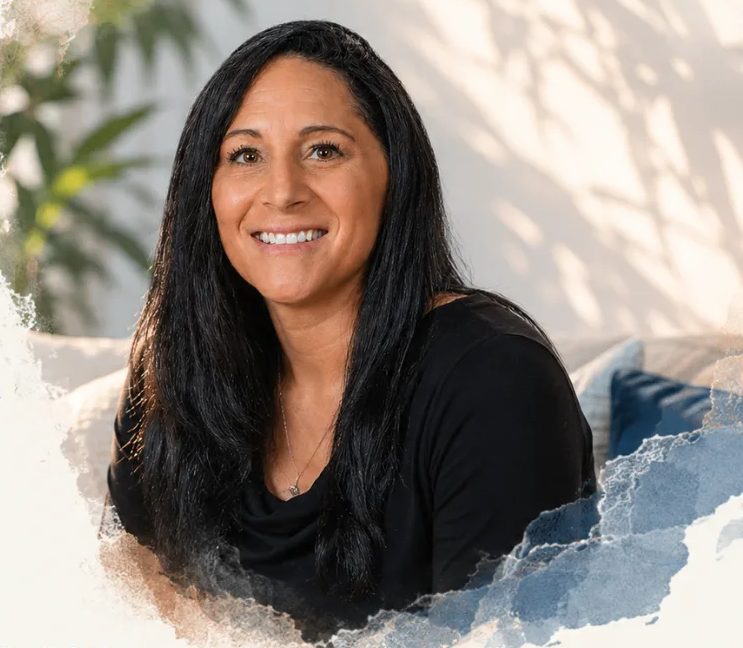
Resurgence Therapy PLLC was founded by Somer Welch, MPSA, MSW, LCSW, around a simple belief:
We can take what happened to you seriously without treating you like you're fragile. And we can understand your past without getting stuck there forever.
Again and again, Somer's work has come back to the same question:
Why does this make sense?
What happened that taught someone to always stay prepared?
To take responsibility?
To avoid something?
To keep everyone happy?
To believe that if they can prevent something bad from happening, they should?
Somer's training includes proven treatments for trauma and other concerns, including Cognitive Processing Therapy (CPT), Prolonged Exposure (PE), Written Exposure Therapy (WET), Cognitive Behavioral Therapy (CBT), and additional specialized CBT treatments.
As Resurgence grows, the goal isn't to hire therapists who practice exactly like Somer.
We intentionally hire clinicians who are strong clinically, understand trauma, use proven approaches, and believe therapy should help people make changes they can actually use in their lives.
The goal isn't lifelong therapy.

You don't need to stop being the person who can handle things.
You may need to stop treating everything you could handle as something you're required to.
You don't have to stop noticing problems.
You can notice one without immediately owning it.
You don't have to stop caring when someone is disappointed.
You can care without automatically changing your answer.
You don't have to know how every situation is going to turn out.
You can trust yourself to deal with what actually happens.
You don't have to carry everything you're capable of carrying.
More choice in what happens next.
That's the point.
Online therapy for adults throughout Texas and North Carolina.
Frequently Asked Questions
-
Yes. We work with both insurance and self-pay clients. Insurance plans and self-pay rates vary by therapist. You can review those details when choosing your therapist and confirm them before you begin.
-
Knowing why something happens can be useful. But knowing you take on too much doesn't necessarily stop you from taking over the project again.
Knowing you struggle with boundaries doesn't necessarily make it easier when someone gets upset with you.
And knowing your past affects you doesn't necessarily stop your body from reacting when something reminds you of it.
We want to understand why the problem happens.
Then we work on what happens the next time it does.
-
No.
You can come to therapy because something isn't working the way you want it to.
Part of our job is helping you understand what's going on and deciding what kind of treatment makes sense.
-
Our therapy sessions are online. Your therapist must be licensed in the state where you are physically located during your appointment, so availability depends on the therapist you choose and where you are at the time of the session.
-
No.
Somer specializes in working with high-achieving professionals and leaders who are tired of constantly anticipating problems, taking too much responsibility, and carrying things that aren't actually theirs to carry.
Other Resurgence therapists have their own specialties and areas of experience.
What connects our therapists is not one type of client.
It's our belief that therapy should help you understand why something keeps happening and help you change what happens next.